
Horror games are everywhere these days. Every month, a new indie horror game appears that tries to scare players with cheap jumpscares and dark corridors. Yet, Don't Go Live manages to distinguish itself surprisingly well from the crowd. This game combines psychological horror with an unsettling atmosphere that constantly puts you under pressure as a player. From the very first moment, you feel that something is not right, and that is precisely what makes this game so interesting.
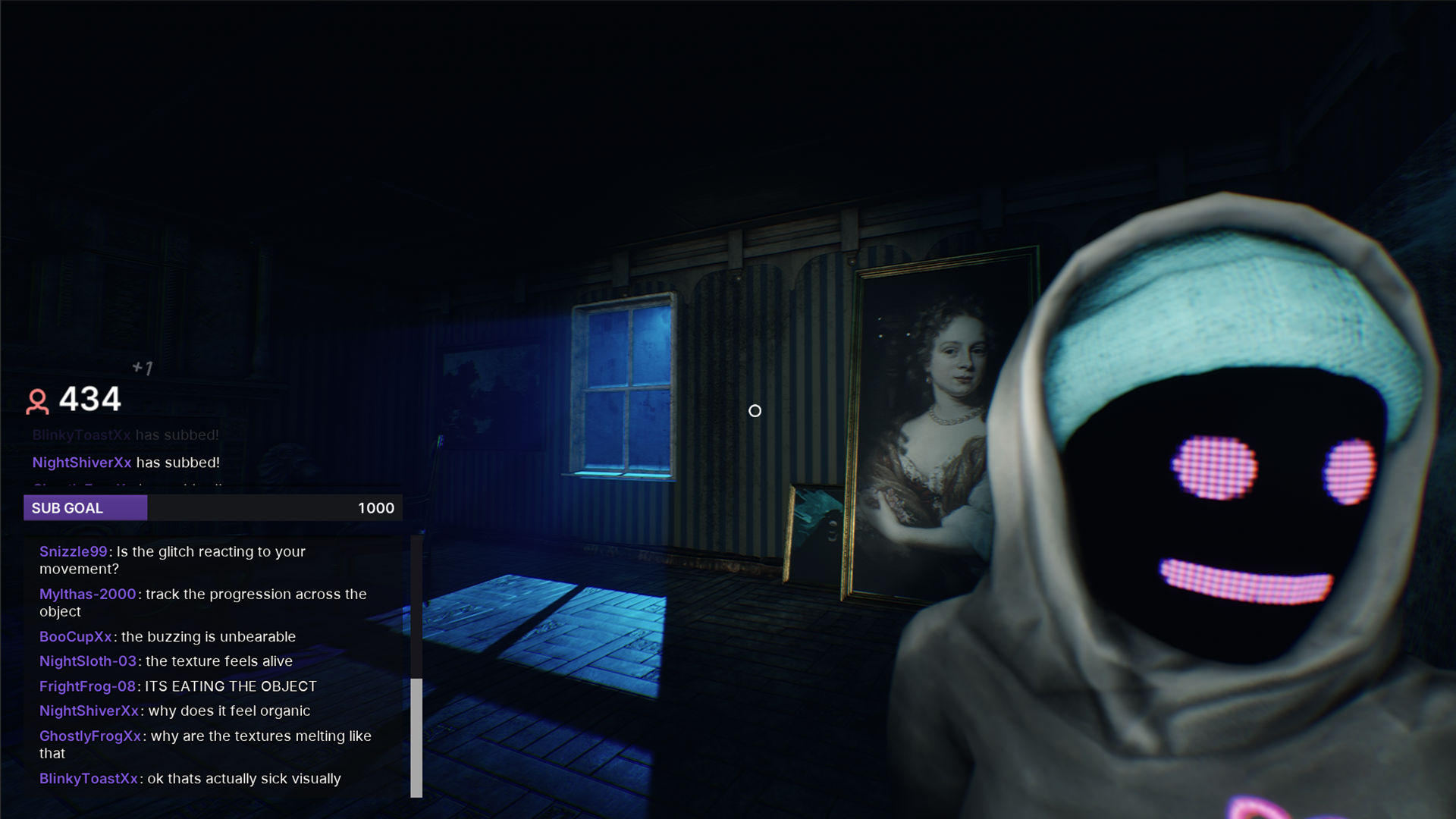
The game revolves around a livestreamer who decides to investigate an abandoned house to gain more viewers. At first, that sounds like a fairly standard horror setup, but the way the story is told makes it much stronger than expected. As you walk through the house, you slowly notice the line between reality and madness beginning to blur. You receive strange notifications, hear sounds that seem to come from nowhere, and see things that might not be real. This creates a constant tension that carries the entire experience.
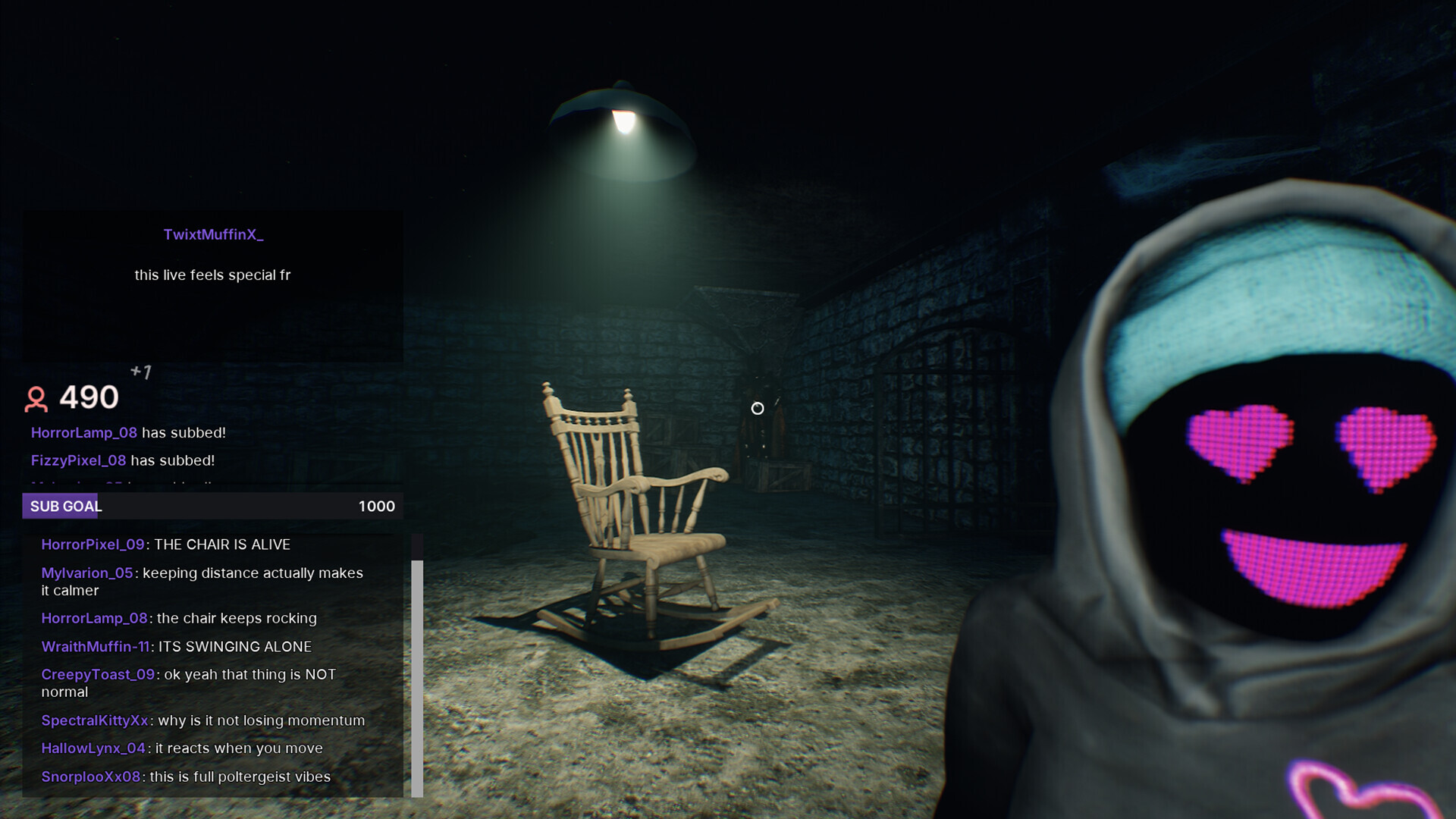
What immediately stands out about Don't Go Live is the atmosphere. The developers have clearly paid a lot of attention to sound and lighting. Small details, such as a door moving slowly or footsteps on the upper floor, keep you constantly on your guard. The game often uses silence better than loud noises. It is precisely the moments when nothing is happening that make it suspenseful, because you know that something could go wrong at any moment.
Graphically, the game isn't perfect, but it doesn't need to be. The visuals fit the game's style well. The house feels dirty, abandoned, and lifeless. Some textures are a bit simple, and occasionally you see minor technical glitches, but that doesn't really detract from the experience. In fact, the rough appearance sometimes gives the game extra charm.
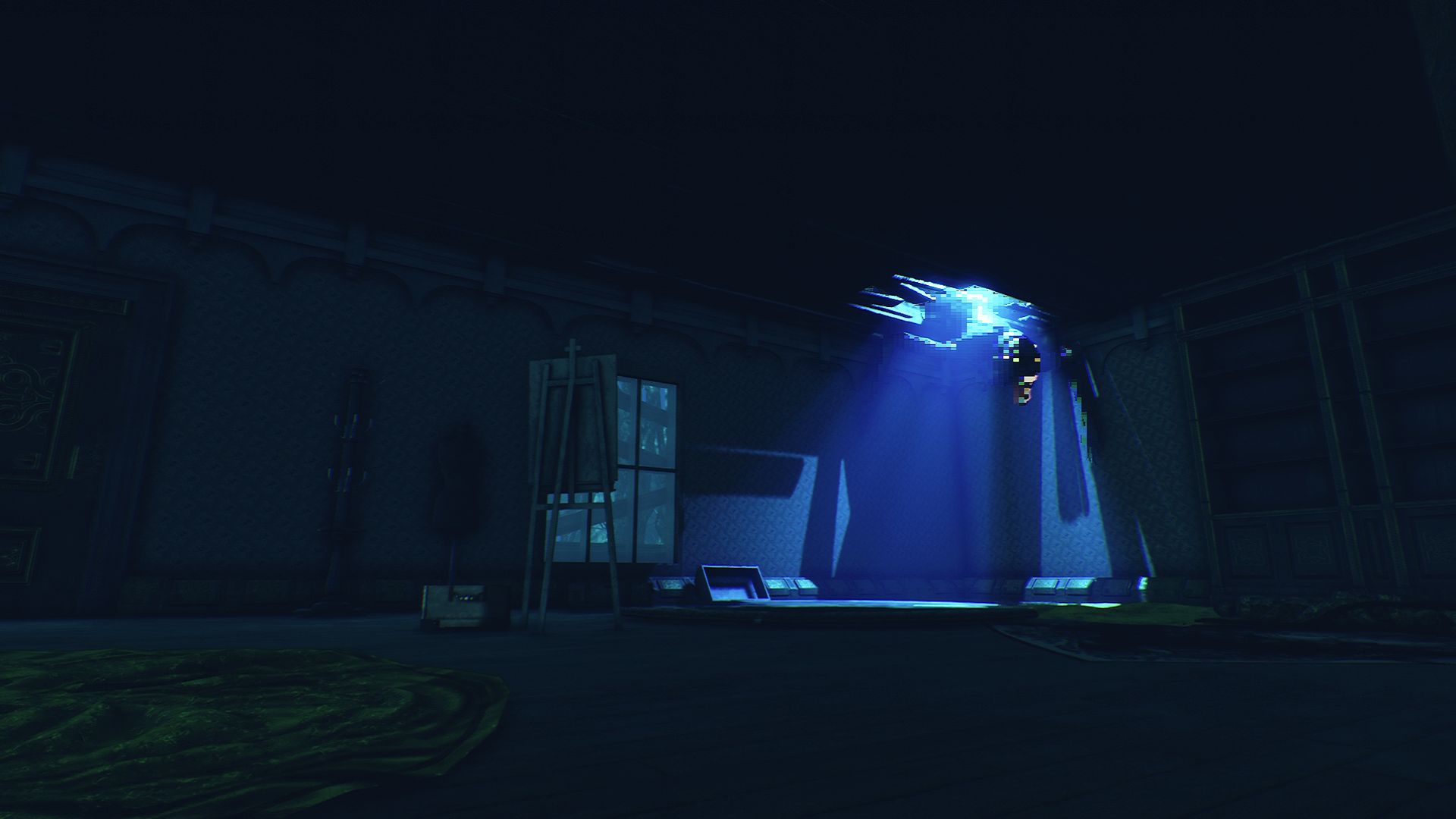
The gameplay is quite simple, but effective. You explore rooms, search for clues, and try to understand exactly what happened in the house. In doing so, you sometimes have to solve puzzles or make choices that influence how the story progresses. Don't expect a huge open world or complicated mechanics; Don't Go Live remains primarily focused on suspense and storytelling. That works well in this case, because it keeps the game moving at a constant pace.
What I personally found strong is how the game taps into modern internet culture. The idea of livestreams, views, and online attention feels realistic and relevant. The protagonist does dangerous things for entertainment, something that unfortunately doesn't sound unrealistic at all these days. As a result, the story feels more believable than many other horror games.
However, the game also has weaknesses. The AI for certain events sometimes feels predictable, and some scares are repeated a little too often. The pace can also sag in the middle of the game when you are just searching rooms for extended periods. Players primarily seeking action will likely drop out sooner. After all, Don't Go Live focuses more on suspense and atmosphere than on fast-paced gameplay.
Additionally, the story could have been a bit clearer at times. The ending deliberately leaves a lot open to interpretation. For some players, that is interesting, but others will be left with questions. That depends mainly on what you personally enjoy in horror stories.
Despite those shortcomings, Don't Go Live manages to impress. It is not a blockbuster with a gigantic budget, but precisely because of that, the game feels more personal and creative. You can tell that the developers wanted to focus primarily on atmosphere and emotion rather than just spectacular moments. And honestly, that works surprisingly well.
For fans of psychological horror, this game is absolutely worth a try. Especially players who enjoy uncomfortable tension, mysterious stories, and a constant threat will have a great time with this. Don't expect a perfect game, but do expect an experience that will linger in your mind for a while after you've stopped playing.